
How I got here
I started in the field. My first years in telecom were in site acquisition for Sprint PCS, across the Midwest and Mountain states. I negotiated leases with property owners, worked through title and environmental reviews, and represented new sites before zoning boards and permitting authorities. It was invaluable experience. I learned to move a project forward past a hesitant landowner, a reluctant planning commission, an adversarial city council or a room full of angry neighbors, and how to read the signs early enough to forecast how long that would take. I still use that second skill on every schedule I create or review.
From there I moved into program management and running programs at a scale where those details multiply. At Alcatel-Lucent (now Nokia), I helped win Sprint's $1B+ LTE modernization of 14,000 wireless sites across more than 30 markets, set up the nationwide program, and scaled the organization from fewer than 10 people to about 750. I held schedule and budget responsibility throughout the multi-year project. Most of the schedule challenges came from third-party lease and permit approvals, which is exactly where the field years paid off.
Later I was asked to take cost out of a 100,000-site deployment in China. I embedded with the teams in Shanghai, traced the problems to materials management and labor practices, and delivered $21M in savings; the method was then adopted across the Americas. In fiber, I ran FTTH delivery across the U.S., Chile and Argentina, and incorporated work-package thinking: discrete deliverables, parallel permitting, and milestones tied to when revenue can actually be recognized.
My last role at Nokia is the one that pointed me here. I built a new division to serve PE-backed and municipal broadband developers, and in practice became a fractional operating partner to three portfolio company CEOs, covering about 526,000 homes passed and more than $1B in committed capital. I was rarely in the board meeting. I was in the meeting before it, building the dashboards, build reviews and risk escalations each CEO took in.
Most recently, as a senior vice president at a large, nationwide PE-backed engineering and construction company made up of more than 20 acquired companies, I built its first enterprise-wide commercial organization: market intelligence, sales engineering, product line management, contract administration and offer control, along with a commercial risk framework adopted as company policy.
Jovergent is what I do with all of that now: the same work, for operators, service providers and investors who need it done without adding a full-time executive.
Certified Project Management Professional (PMP) · MBA, Finance & Accounting, University of Illinois Chicago · BS, Civil & Environmental Engineering, Purdue University
Full background available on request. LinkedIn profile
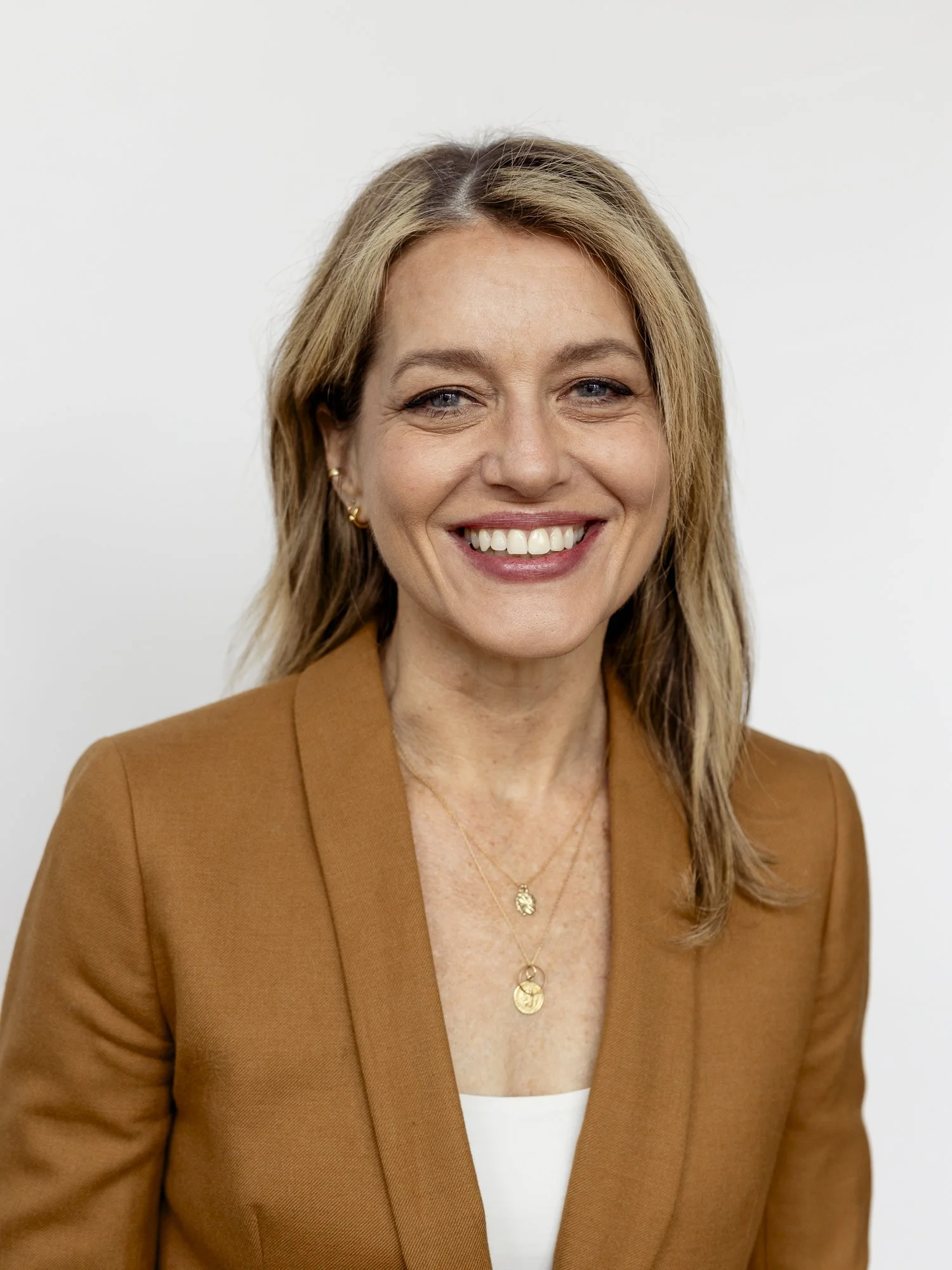
Twenty-five years of putting the pieces together
I love bringing order to things, and I love finding the risk before it finds you. Hand me scattered documents, a schedule nobody trusts or a contract nobody has read closely, and the first thing I do is organize it. The second is to list everything in it that could go wrong, followed by a plan to mitigate those risks through documented process and clear ownership.
Every side of the table
Carrier, OEM, service provider, and inside a PE-backed platform. When a contractor says the delay is permitting, I have been the person who sent that email. I know which explanation is real and which one is buying time.
From the ground up
I started in the field and worked up through program management, a 750-person deployment team and an SVP seat. Because I have done the work at each level, I get a grasp of a messy situation quickly: I know what the field, the back office and leadership each see, and where their pictures stop matching. The harder it is to see, the more interested I am.
One working whole
Infrastructure programs stall in the space between teams. Each group sees its own part, so gaps go unnoticed and the pieces never get connected. I look at the whole picture. My approach:
Understand the situation
Close the gaps and fit the pieces together
Get everyone speaking the same language
Give every task an owner
Make every handoff clear
Drive adoption across your team
Leave you with a functioning process that runs without me
Every engagement is bounded, priced up front, and built so your team owns the work after I leave.
If you are testing whether a plan holds up, getting a program back on plan, starting up a complex new project, organizing an operation or planning an edge or ILA site, I would like to hear about it. First conversations are free, and I will give you my honest read on whether this is a fit.